Sector
Education

Education

Great Yarmouth

Summer 2027

Circa £58 Million

Kier Construction
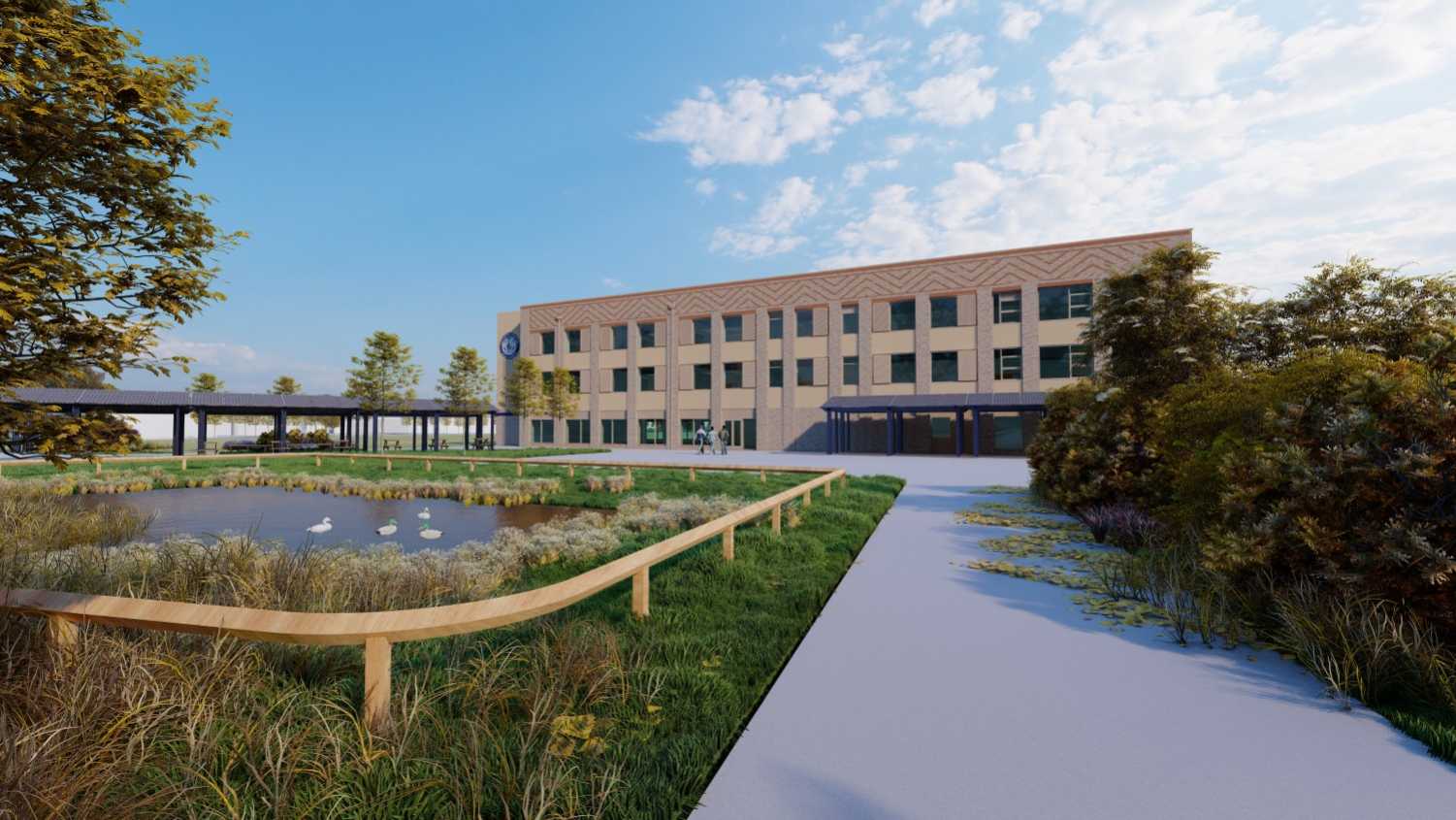
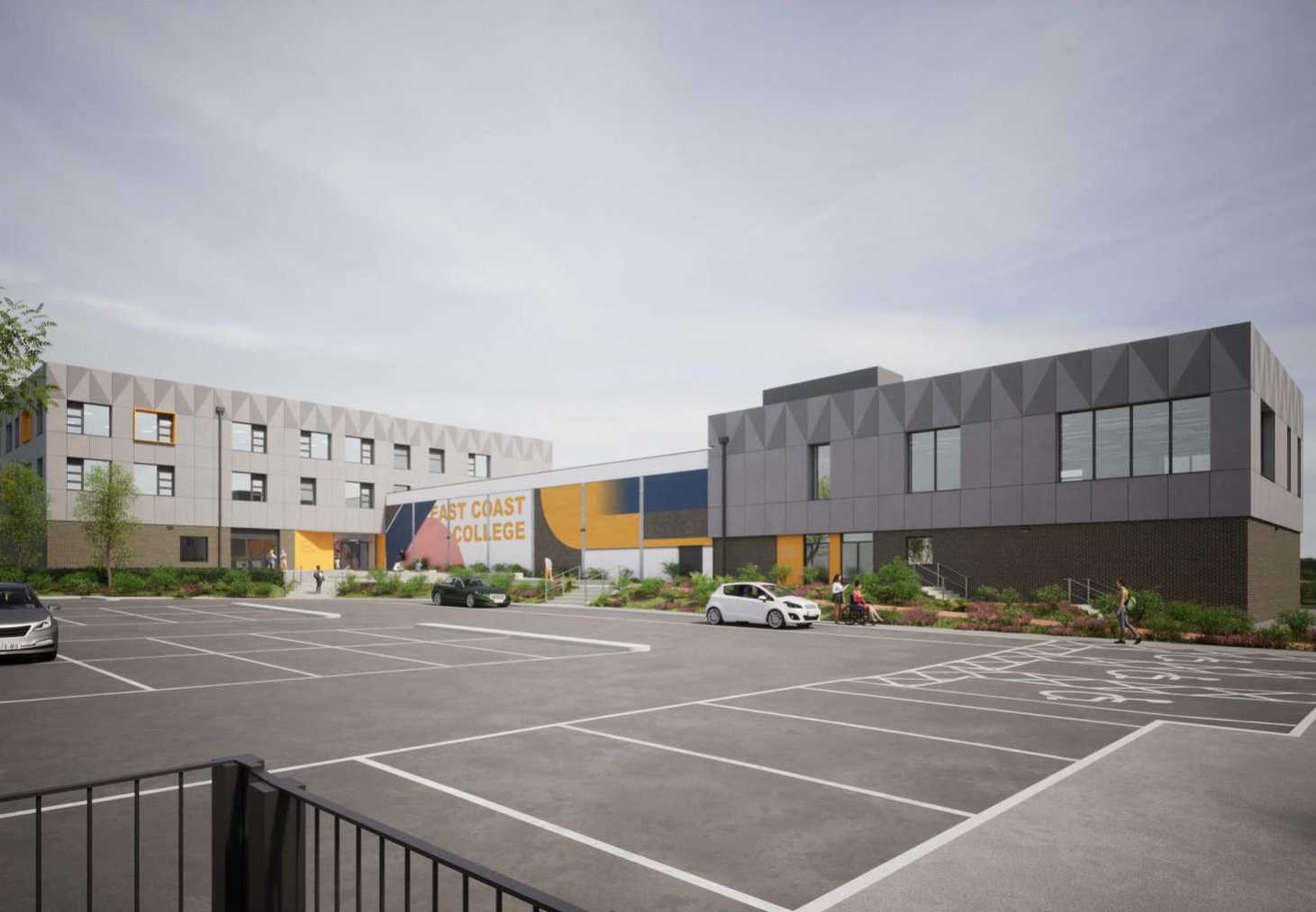
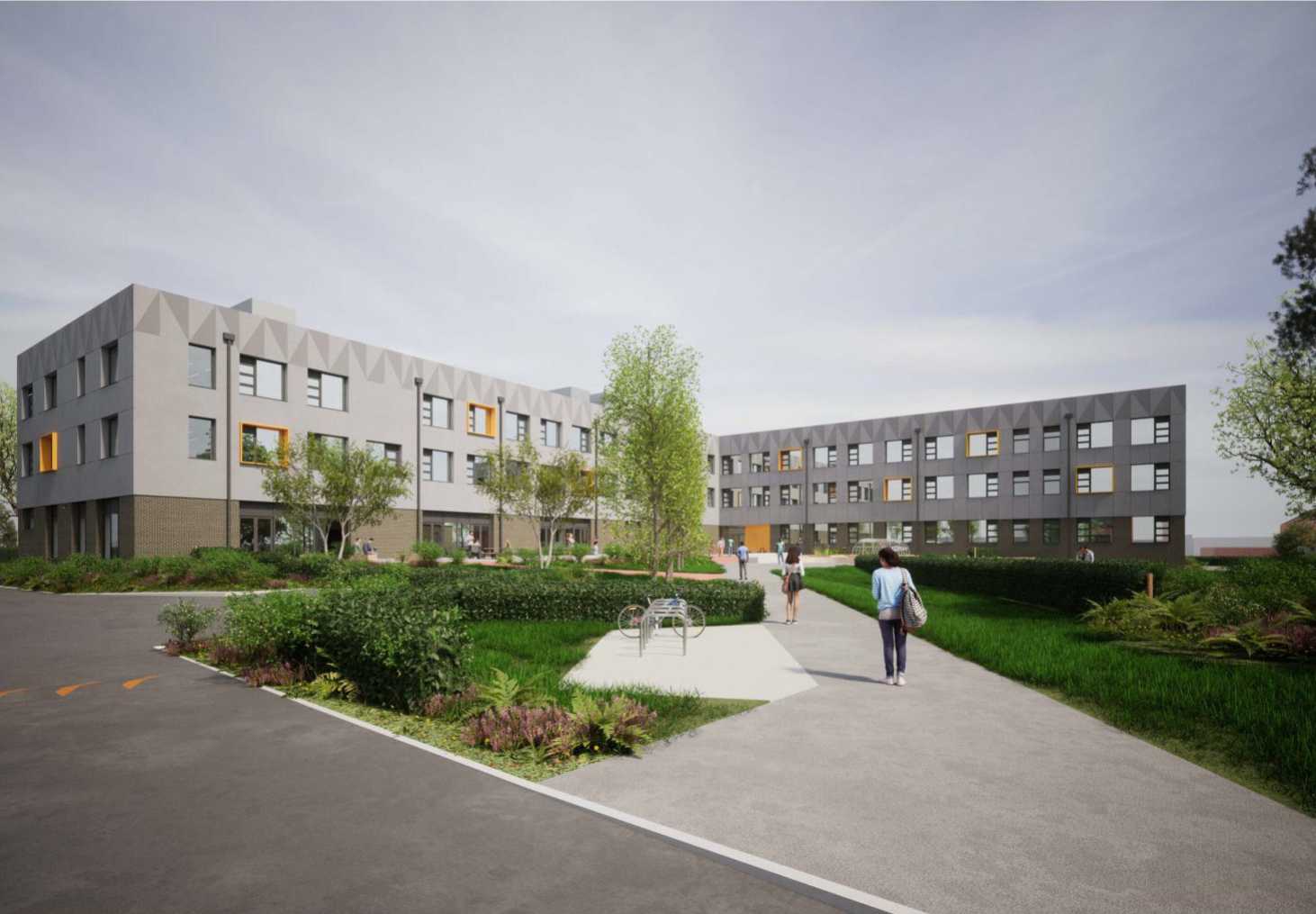
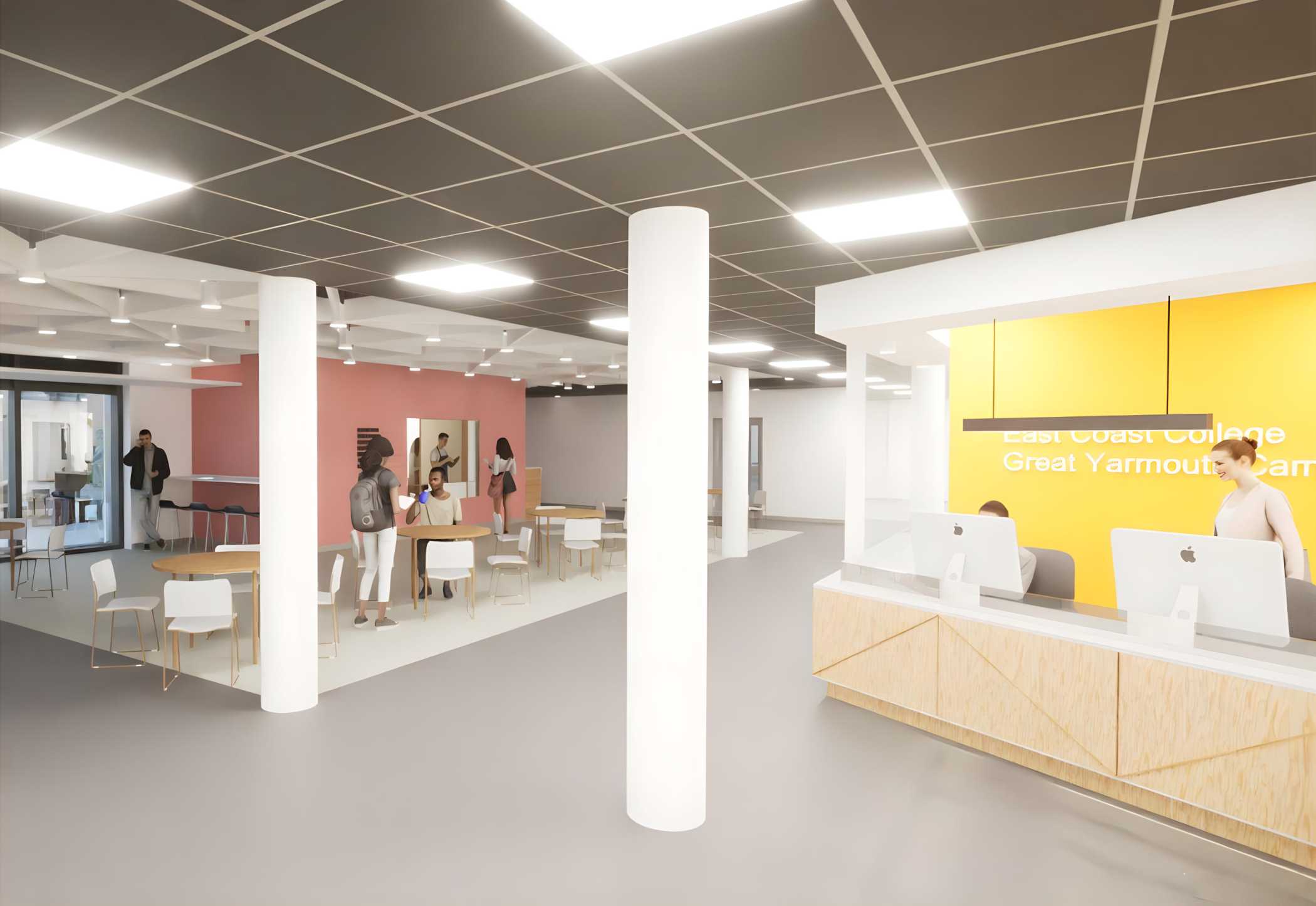
The project required the delivery of new and upgraded educational accommodation while integrating specialist teaching spaces, sports facilities, and support areas, all within the constraints of an urban site and live college operation.
The works included a new main teaching block, upgraded sports hall and changing facilities, and associated external and roof‑level plant infrastructure. The project demanded a comprehensive, compliant and resilient MEP strategy aligned with Department for Education (DfE) output specifications, with particular focus on energy performance, indoor environmental quality, and long‑term maintainability.

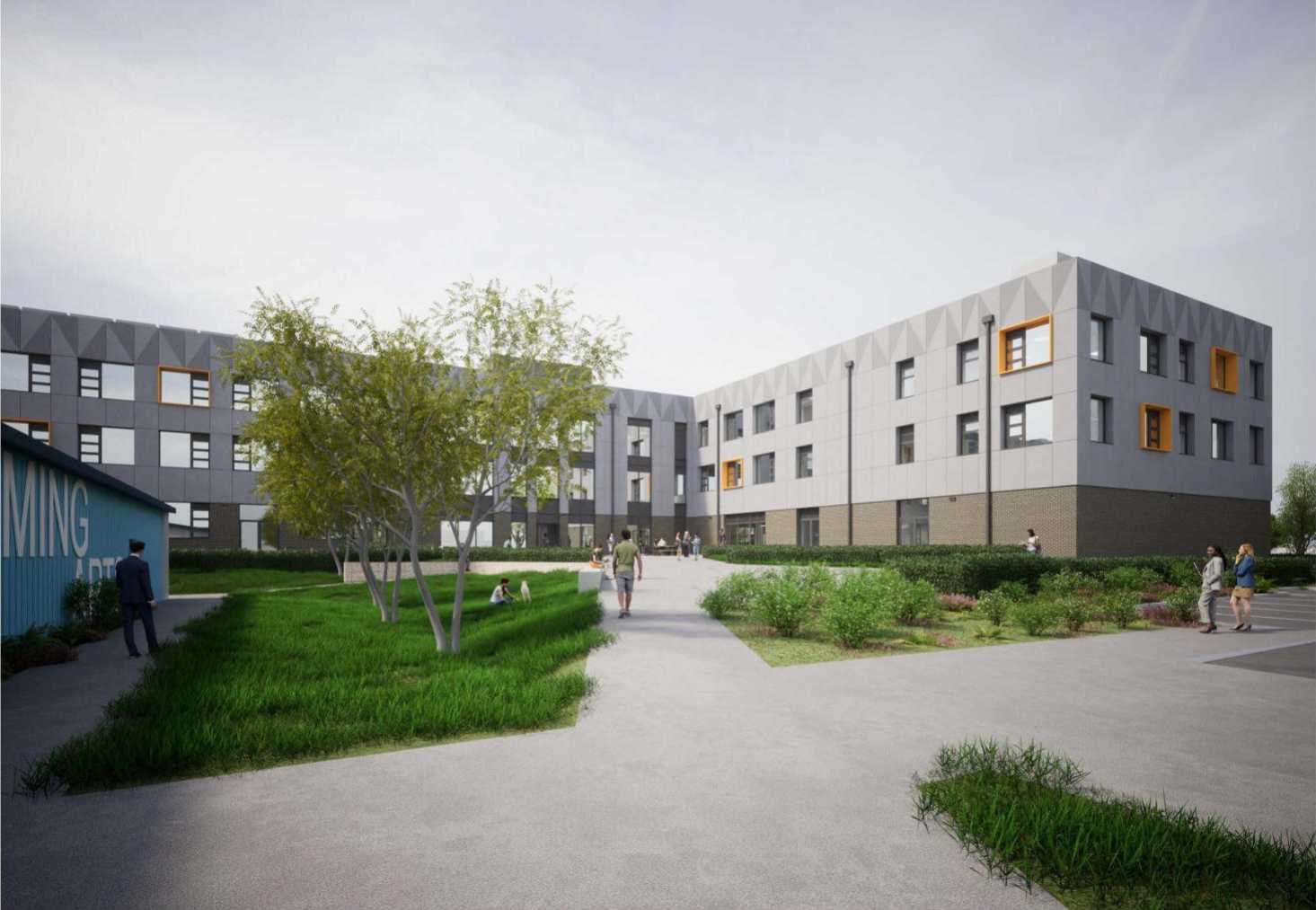
Charles Andrews Ltd (CAL) was appointed by Kier Construction to deliver the MEP design from RIBA Stage 4ii to Stage 4iii, building upon the Stage 4i design developed by Couch Perry Wilkes. Our scope included full technical development, validation, and coordination of all building services systems to ensure compliance, buildability, and resilience.
This included:
Heating: Low‑temperature LTHW systems incorporating air source heat pumps for the teaching block, with retained gas‑fired boilers serving the sports hall where legacy emitters were unsuitable for low‑temperature operation.
Ventilation: A hybrid ventilation strategy combining MVHR, hybrid classroom ventilation units, and natural cross‑flow ventilation to control CO₂ levels and mitigate overheating risk.
Cooling: Reverse‑cycle ASHPs and chilled water systems serving areas identified as overheating‑critical through BB101 and TM52 analysis.
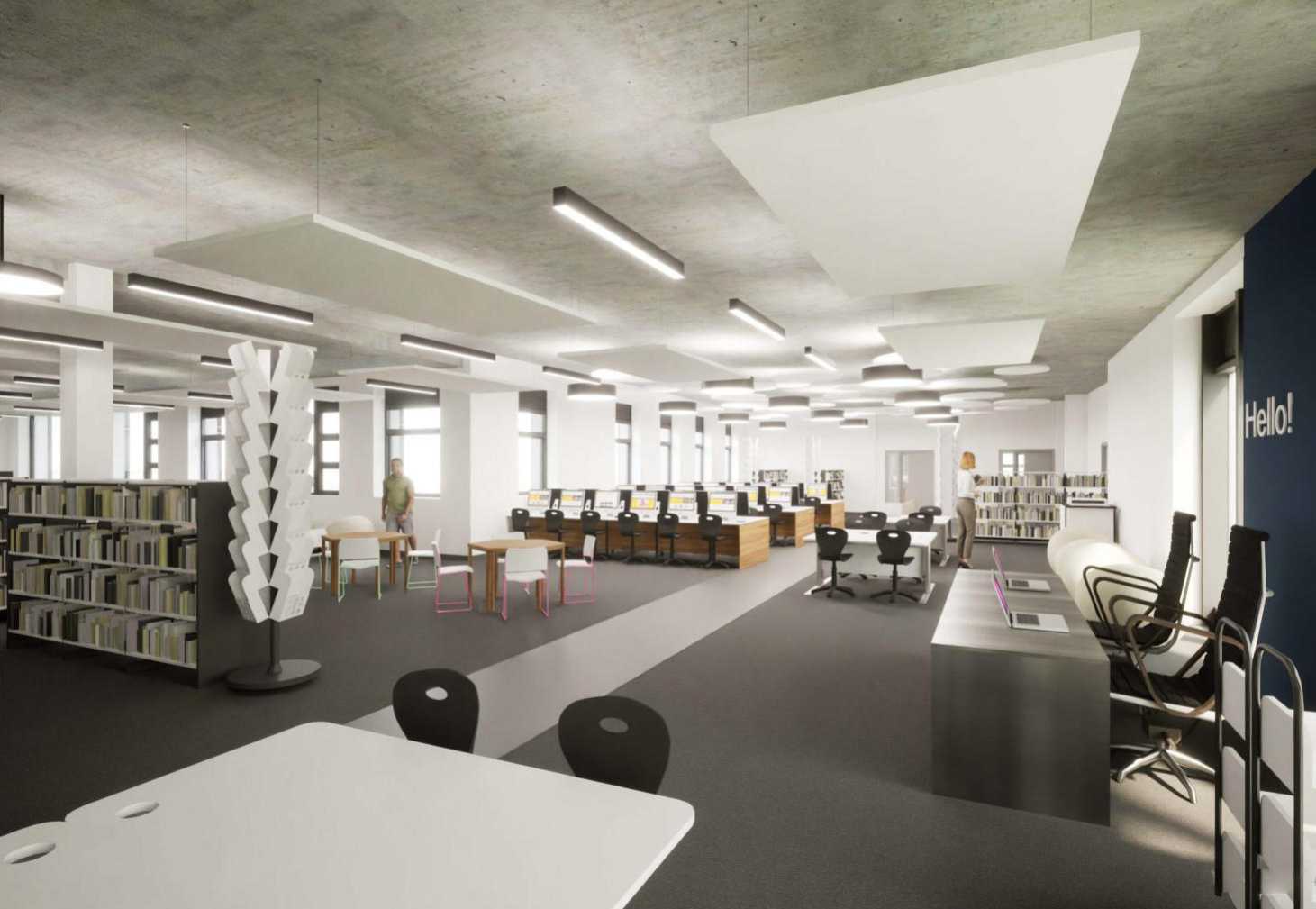
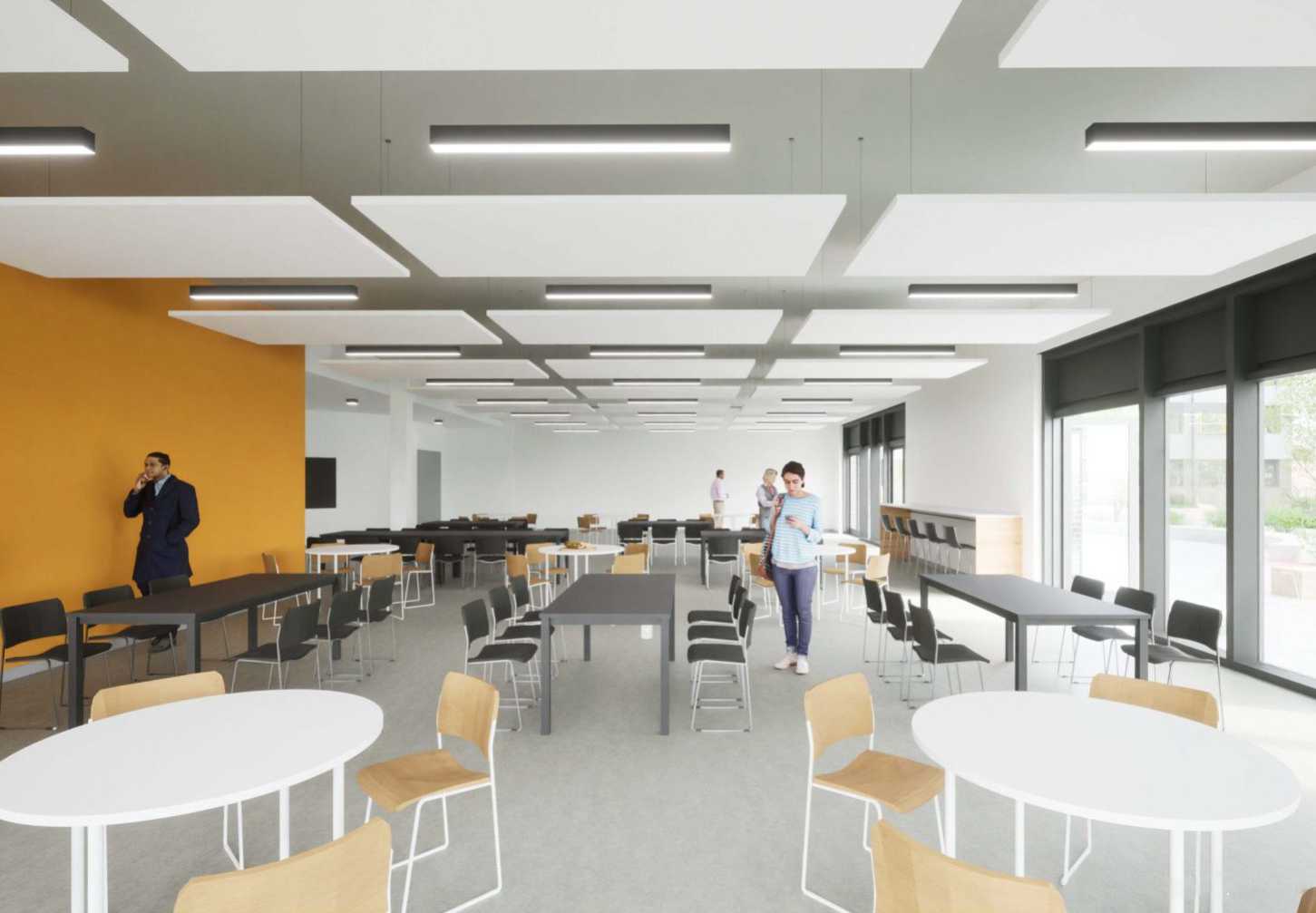
Electrical & Lighting: Energy‑efficient LED lighting designed to DfE and LG05 standards, coordinated with acoustic treatments and supported by automatic lighting controls.